All Categories
Featured
Table of Contents
Real-time updates offered by mobile phones notify decision-making by offering instant presence into stock levels and order statuses. Wearable innovation, such as wise glasses and wrist-mounted gadgets, can be incorporated into warehouse systems to even more improve functional performance. These wearables offer hands-free access to information, which increases productivity and security for storage facility workers.
AI Agents can collect information from various internal and external sources, find items quickly, provide efficiency reports, and immediately develop order with suppliers to replenish inventory. IoT incorporates with WMS and manages the place of products, routing of products within storage facility workflows, and assists to establish pull-based supply chains.
Take advantage of an across the country network of high-performance partner warehouses broaden capability, cut shipping expenses, and reach consumers 12 days faster. Picking the best storage facility management system for your service involves extensive research study and cautious factor to consider of various elements. Evaluating different WMS options consists of investigating suppliers, thinking about client reviews, and evaluating their track records in the industry.
Cloud-based WMS software, which normally embraces a software-as-a-service (SaaS) pricing model, offers flexibility and scalability as your organization requires modification. Secret factors to consider when picking a WMS include your service size, specific industry requirements, and unique functional requirements. By thoroughly examining these elements, you can pick a WMS that aligns with your organization objectives and improves your storage facility operations.
Implementing a WMS can lead to considerable expense savings, improved efficiency, and much better client service, making it an essential investment for any service included in warehousing and distribution. The effect of a well-implemented WMS is profound.
Building Robust Fulfillment Strategies for 2026
If you're looking to take your warehouse operations to the next level, think about purchasing a WMS customized to your particular requirements. Accept the future of warehouse management and see your business flourish. A Warehouse Management System (WMS) is software that helps improve storage facility operations by tracking inventory and managing processes like getting, storing, picking, packing, and shipping.
This leads to more effective operations and less space for mistakes. Implementing a WMS brings significant benefits like expense savings, improved effectiveness, and real-time inventory presence, all while lowering mistakes and enhancing client complete satisfaction. It's a clever move for improving operations! There are primarily three types of Storage facility Management Systems (WMS): standalone systems, cloud-based alternatives, and integrated ERP solutions.
Advanced technologies like AI and IoT significantly enhance WMS by offering important data insights, improving operations, and helping with more responsive supply chains. They also assist display conditions to decrease dangers, making storage facility management smarter and more effective. Rinaldi Juwono leads material and SEO strategy at Cahoot, crafting data-driven insights that help ecommerce brand names navigate logistics challenges.
A Storage Facility Management System (WMS) is a software application created to handle and optimize storage facility operations. It assists companies track stock levels, handle picking, packaging, and shipping processes, and optimize warehouse area usage. Here are some key features and factors why WMS is important: WMS assists in real-time tracking of stock levels, areas, and movements within the warehouse.
WMS optimizes warehouse area utilization by suggesting effective storage locations based on item qualities, need patterns, and storage capability. By automating and enhancing storage facility procedures, WMS minimizes the requirement for manual labor and improves total workforce performance.
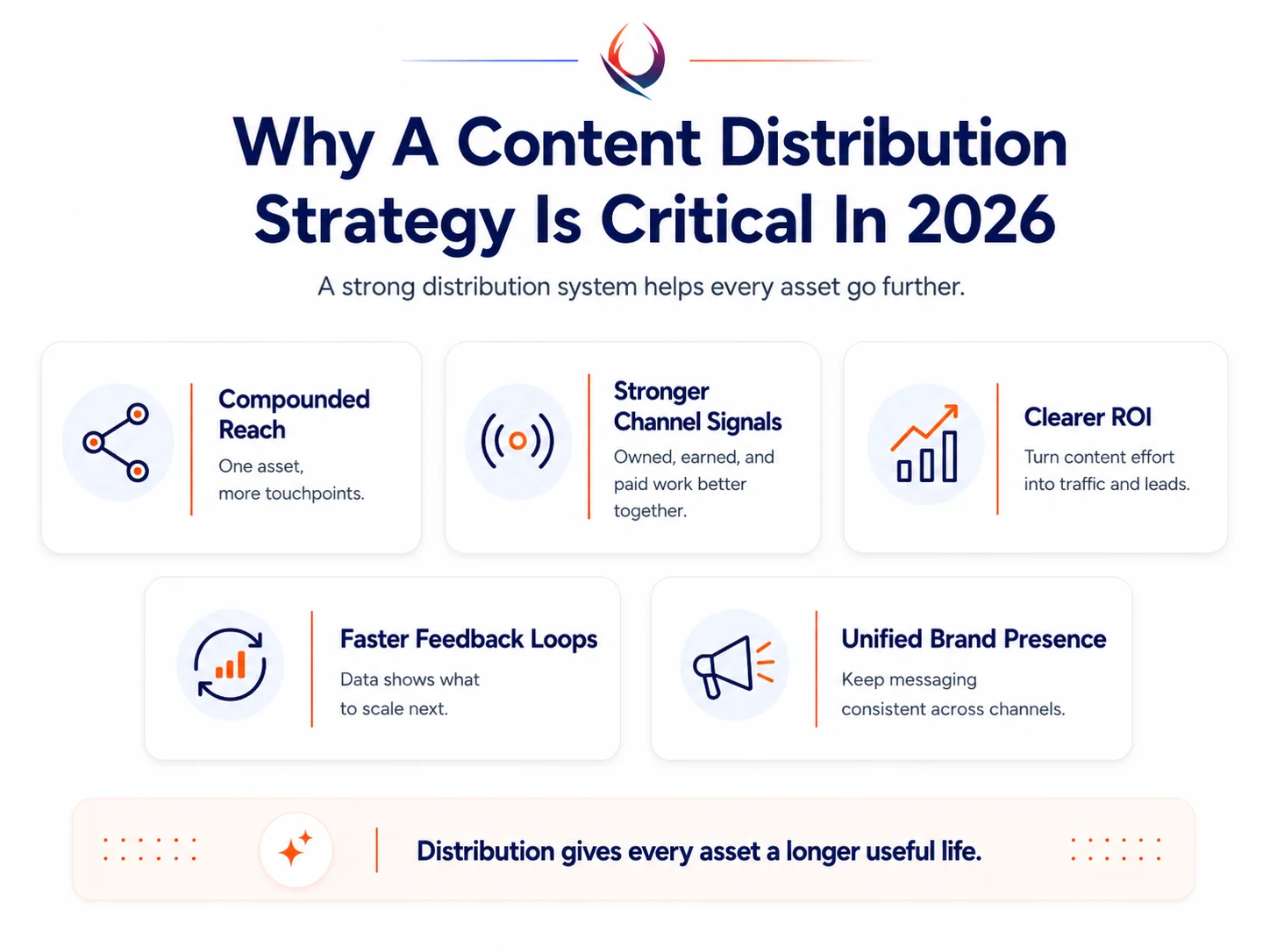
Developing Robust Distribution Strategies for the Future
Overall, a WMS is crucial in enhancing functional performance, lowering expenses, enhancing consumer service, and ensuring smooth storage facility operations.
Every item you order onlineevery delivery that shows up on time, every stock count that's accuratedepends on software application most clients never ever see. That software application is a warehouse management system (WMS), the functional brain that manages modern-day distribution and satisfaction operations. A warehouse management system (WMS) does much more than track inventory location.
It coordinates labor and automation, enhances workflows in genuine time, and supplies the presence that turns a storage facility from an expense center into a strategic asset. In this guide, we'll explain what a warehouse management system actually does, the challenges it resolves, how it works behind the scenes, and the core capabilities that separate standard stock software from true storage facility management platforms.
WMS Tools for Next-Year Success
While the acronym is uncomplicated, what certifies as a real WMS isn't always clear. Standard inventory tracking tools are sometimes called WMS platforms, but authentic storage facility management systems provide comprehensive functional control: stock positioning, task orchestration, labor coordination, automation integration, and real-time performance exposure. The distinction matters due to the fact that the capabilities space in between fundamental stock software and business WMS platforms straight effects operational efficiency, precision, and scalability.

Latest Posts
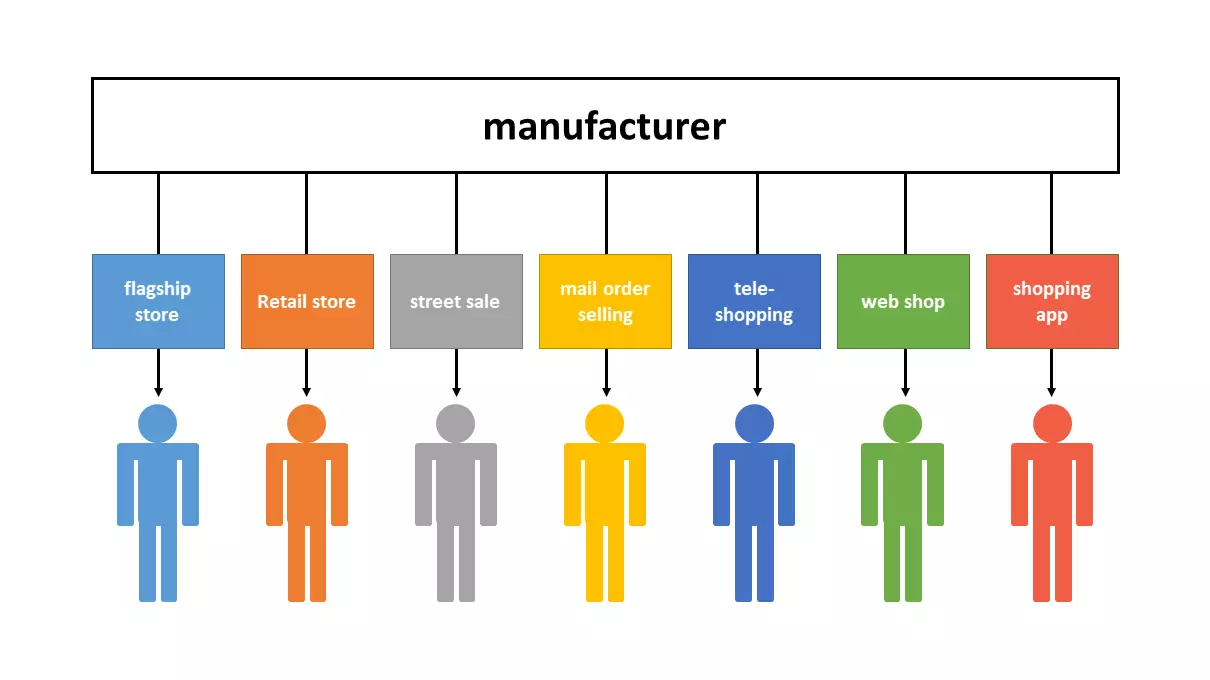
The Primary Benefits of Multi-Channel Distribution Systems
WMS Prepared to Handle Multi-Platform Stock Spikes?
How Next-Gen Sellers Leverage Advanced WMS Tools